On a garage floor, how we time the finishing, the joints and the cure makes most of the difference, so I plan each step before the truck shows up. We break out the old slab and look at what's under it, then dig out the soft dirt and pack the subgrade, the ground the slab sits on, because a floor raked level over loose fill settles right along with it. We set the slope so water runs out the door and not back toward the house, and we lay whatever goes under the slab, which is why I ask at the estimate whether you might coat the floor someday. Rebar goes in next, the steel that holds the pieces together if the slab does crack, and we pour early enough in the day that afternoon heat doesn't rush the top into a weak, dusty skin. Then we trowel it, cut control joints, shallow grooves that give cracks a straight line to follow instead of wandering across the floor, and keep it damp while it cures, the wait while the concrete gains strength before you park on it. If the budget gets tight, the base is the last place I'd cut, since nobody sees it on day one and everybody sees it a few winters later.
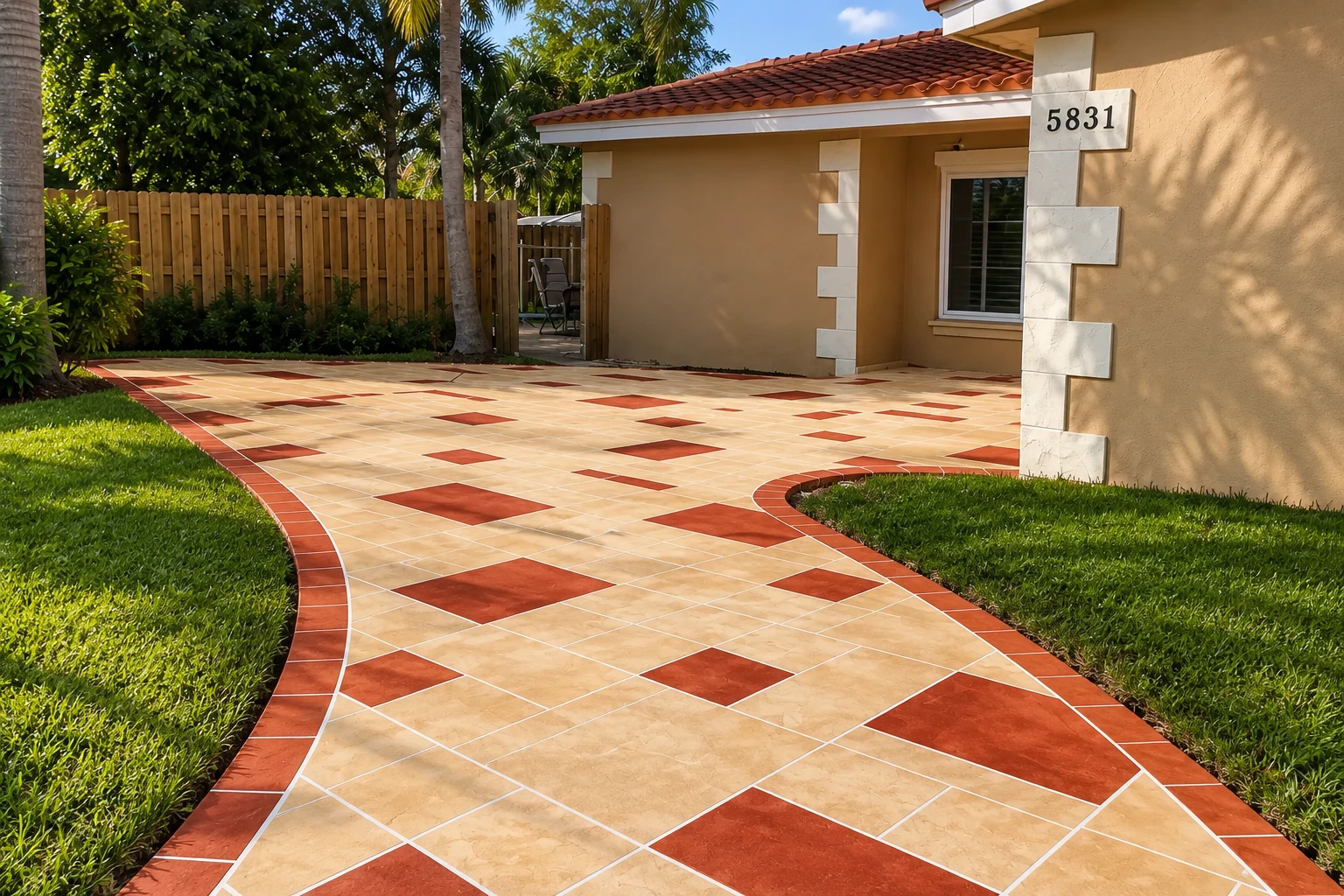
Some garage jobs grow a little once we're talking. If you want color or a finish that's more than plain gray, that's decorative concrete, and it's easier to plan before the pour than after. If the garage is cut into a slope and the dirt beside it keeps pushing in or washing onto the apron, a concrete retaining wall may be the real fix before any new floor goes down.
Tearing out a cracked or sunken floor
This suits a garage where the old slab has broken up, settled or started holding water. We find the reason first, usually a soft base or water running the wrong way, so the new floor doesn't fail the same way the old one did.
First floor in a new or rebuilt garage
This suits a new build or a garage being rebuilt, where the slab is one piece of a bigger job. We work out the timing with your builder so the floor goes in before walls and doors make the pour harder than it needs to be.
Smooth finish or broom finish
A smooth troweled floor is easy to sweep and is usually the better base for a coating, so it suits a workshop or a floor you'll cover later. A broom finish, brushed lines that give tires and shoes some grip, suits a floor that stays bare and gets wet.